LISTEN ON APPLE PODCASTS | LISTEN ON SPOTIFY | LISTEN ON AMAZON MUSIC
Most of us learned what a seizure looks like from television: a person on the floor, arms and legs shaking. Dr. Jessica Lowe, a neurologist and epileptologist who goes by Dr. Brain Barbie online, spends her days with the seizures that never look like that.
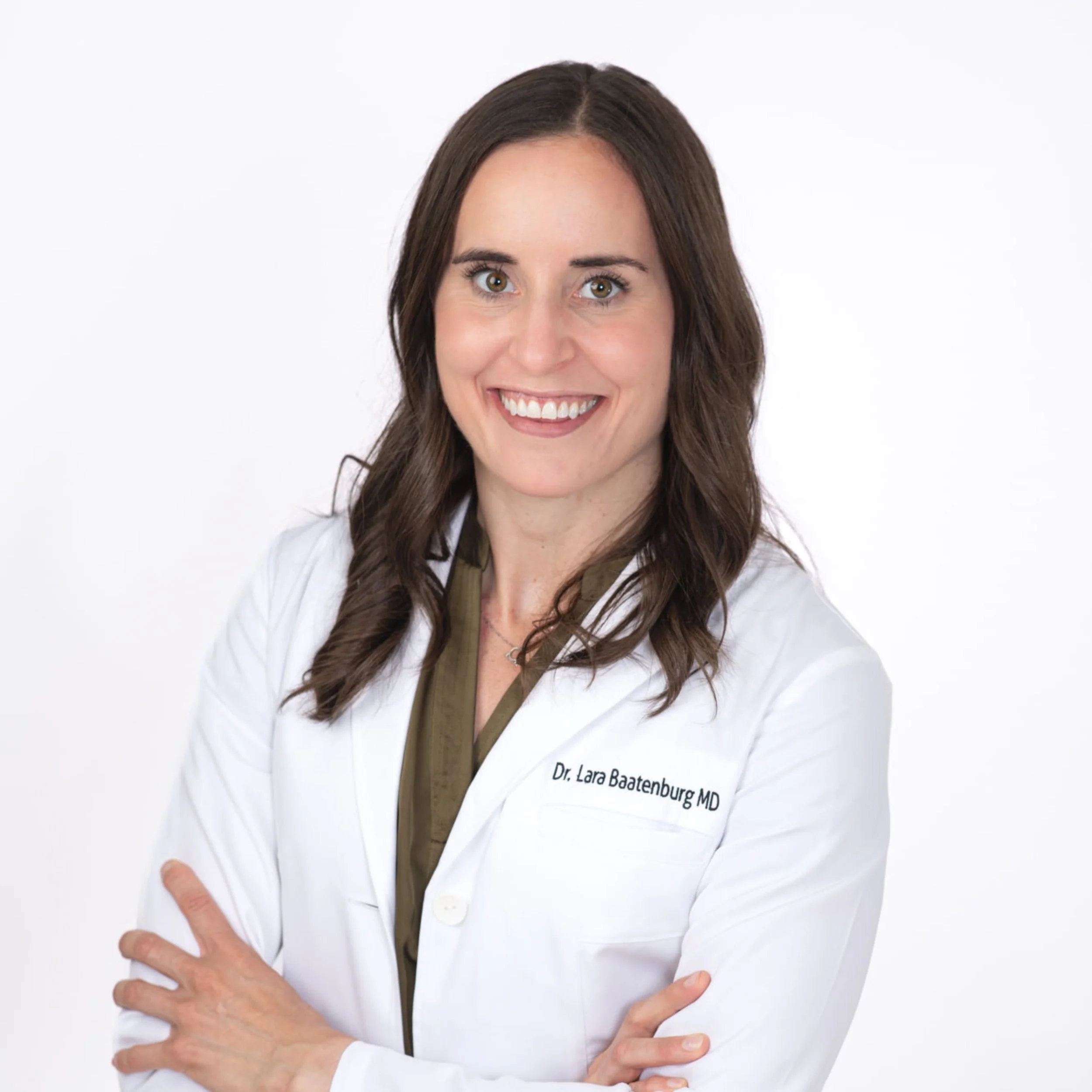
Dr. David Roden and Dr. Lara Baatenburg sit down with her to talk about seizure first aid, the signs people miss, SUDEP, and what it takes to be a physician who shares real information on social media.
What to do when someone is having a seizure
Dr. Lowe says people still put objects in a seizing person’s mouth. It can break teeth, cause aspiration, and injure the fingers of the person trying to help. Her steps are short. Do not put anything in the person’s mouth. Lay them on their side. Time the seizure. Call 911 if it lasts more than five minutes.
The idea that a person can swallow their tongue has been around for a long time. She calls it “physiologically impossible” and says it was debunked years ago.
David describes a friend in high school who had a seizure after walking into a projector beam at a movie. Nobody in the room knew what to do; the convulsions involved the whole body, and his friend was confused afterward. He had never seen one before.
The seizures that don’t look like seizures
The shaking, full-body kind is called a generalized tonic-clonic seizure, and it is the version television loves. Focal seizures look different. A person might stare, have a thumb twitch, smell something unusual, or stop mid-conversation.
What shows up depends on where in the brain the seizure starts. Visual areas cause visual symptoms. Sensory areas cause numbness or tingling. Motor areas cause twitching. Deeper structures often cause a loss of awareness, sometimes with purposeless movements like picking at clothing. Dr. Lowe’s rule of thumb is that repeated episodes that look the same each time deserve an evaluation.
She tells the story of a patient with a repeated fluttering in her abdomen that turned out to be a seizure aura. For years she was told it was anxiety. About ten years after the seizures began, she finally reached Dr. Lowe’s clinic.
The conversation about SUDEP
Seizures can be dangerous for reasons beyond injury. Dr. Lowe talks about sudden unexpected death in epilepsy, or SUDEP, and says families and other clinicians need to hear about it more often.
She notes that when she posted about it recently, people in the comments wrote that they had never heard of it. Others wrote that they had lost someone to it. It is a hard subject, and she says it anyway.
How a Barbie sticker became Dr. Brain Barbie
It started when a nurse gave Dr. Lowe a Dr. Barbie sticker for her badge, and she noticed that patients smiled at it during hard conversations. Families started calling her Dr. Barbie, then Brain Barbie. Nurses urged her to try TikTok, and her following grew from there. A campaign with the American Heart Association pushed her toward posting about heart and brain blood vessel health.
Then came the McMigraine video. In April 2024, patients kept messaging her to ask why a large fries and a large Coke from McDonald’s could ease a migraine. She recorded a video from her car after the campaign ended and woke up to find it had gone viral. She explained that the sodium, caffeine, and carbohydrates may help some people. She has used it herself once or twice to get home safely during an aura with visual changes, and she is clear that it is anecdotal and that healthier options exist.
Migraine communities are very active online, and that is how she moved from migraine into epilepsy education.
When fear travels faster than facts
David points out that many people go to social media for health information, and that the best answer to bad information is better information. Dr. Lowe sees the result in clinic. Patients now turn to Google, ChatGPT, and TikTok, and some arrive citing advice they saw in a video.
She is not against wellness. She calls herself anti-misinformation. What bothers her is the creator with a ring light and a confident delivery who sells supplements or parasite cleanses while telling people their doctors are lying to them. Confidence is persuasive, even when the claim is false.
She also points at the profession. Clinicians are short on time, buried in paperwork, and burned out, and patients leave without the education they came for. That gap sends them elsewhere.
When she corrects misinformation, she protects the person who posted it. Comments usually come from fear or misunderstanding, so she responds when there is something to teach, sometimes pins the comment, and sometimes turns it into a video without naming anyone. She blocks, deletes, or reports abusive comments and does not argue with them.
For physicians who are thinking about starting, she says feeling awkward is normal. She compares an educational post to a conference talk. A post with 150 views is like teaching 150 patients one on one, and a 50,000-view epilepsy post reached far more people than she could ever see in clinic. Her reason is simple: it’s about protecting patients.
Lived experience, expertise, and who to trust
Dr. Lowe is careful about the line between lived experience and medical expertise. Lived experience is valid, she says, but it is not the same as expertise, because one person’s condition or response to a medication may not match another’s. In her own practice, she is an expert in the science of a condition, and her patients are the experts in living with it.
People without medical training can still share their stories, as long as they are transparent about their credentials and the limits of what they know. She compares it to a physician referring a patient to a subspecialist outside their own scope.
She also asks her followers whether they have checked her credentials, and so far nobody has said yes. She encourages everyone to look, and she wishes verified platforms offered a physician credential badge. A bio that says “brain health expert” tells you very little.
This episode is for educational purposes only and isn’t individual medical advice. If you or someone with you has a seizure lasting more than five minutes, call 911.
If you want a primary care doctor who has time to explain what is happening in your body, schedule a complimentary Meet & Greet with Dr. Lara or Dr. Jana Baatenburg.
Vitals & Values is the podcast of Concierge Medicine of West Michigan, hosted by Dr. David Roden and Dr. Lara Baatenburg. New episodes available wherever you listen.